

Blog
Case studies, strategies, and ideas shaping modern technology.
A Strategic Guide to Cloud Maturity in 2026
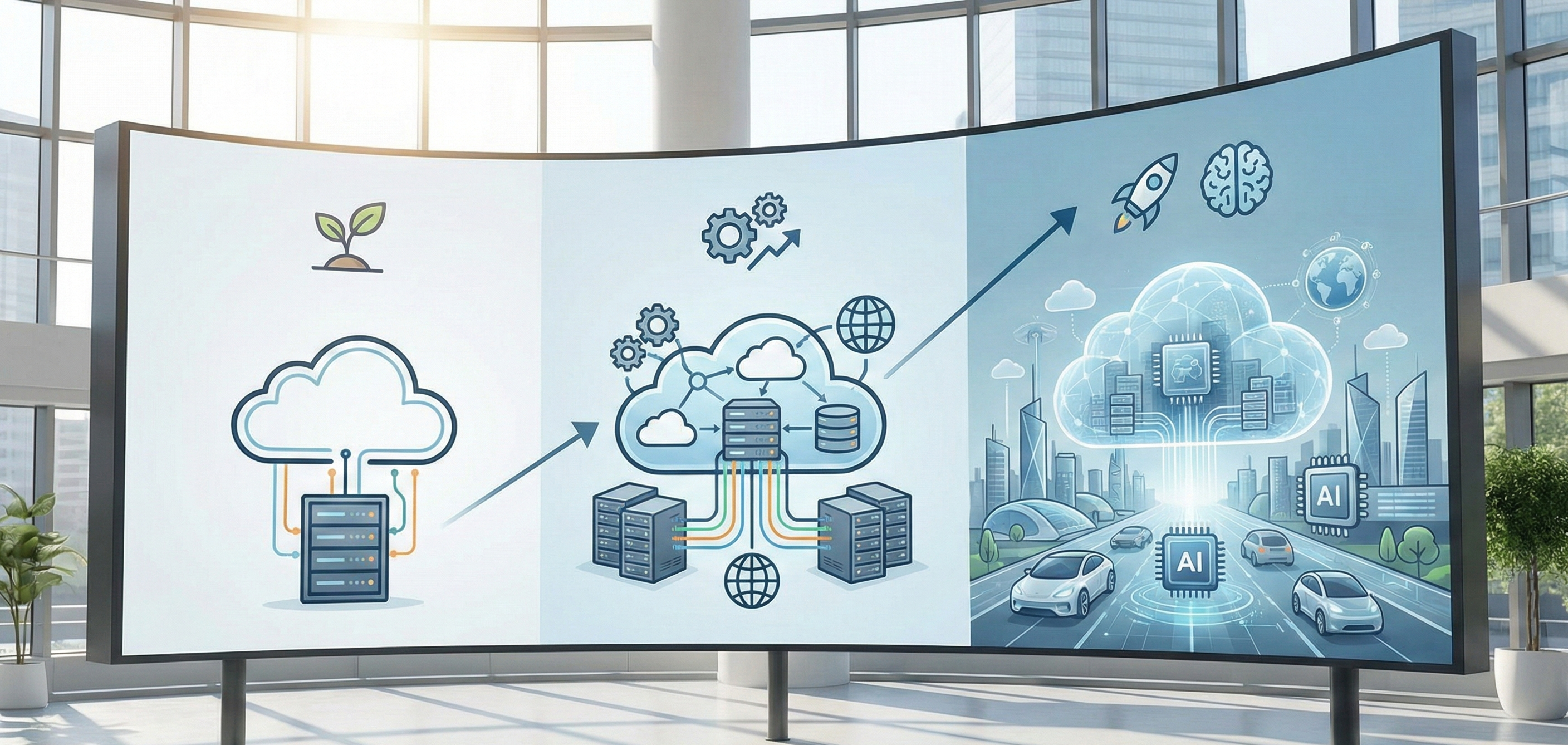
In the current technology landscape, the pivot from traditional DevOps to modern platform engineering isn’t just another shiny new buzzword for the CV; it is a survival mechanism. As we move further into 2026, cloud maturity is no longer a “nice-to-have” differentiator for the overachievers; it has become the bedrock of resilience. This is particularly true in an AI-accelerated engineering environment where the demand for velocity, stability, security, and compliance must somehow coexist without causing the whole thing to fall over.
However, cloud maturity isn’t measured by how many obscure AWS services you’ve managed to daisy-chain together. True maturity lies in the strength of your sociotechnical core — that often-messy intersection of:
- People: Team structures, trust, and the psychological safety to admit when a deployment has gone slightly sideways.
- Culture: Knowledge sharing, autonomy, and learning loops that actually result in learning.
- Technical Capability: Automation, platform engineering, Infrastructure-as-Code (or for next-level shizzle, Configuration-as-Data), observability, and AI integration.
The organisations thriving in this AI-first era are those treating cloud evolution as a holistic, ongoing transformation rather than a one-off infrastructure upgrade — which is usually just a fancy way of saying “moving our mess to someone else’s servers.”
AI and the Rise of the “Burnout Stasis”
We know now very well that AI acts as a bit of a mirror: it amplifies well-structured environments and ruthlessly exposes the ones held together by crossed fingers and sticky tape. While AI automates code generation and documentation, it hasn’t exactly reduced friction. Instead, it has created a phenomenon I like to call Burnout Stasis.
The logic is simple, if a bit depressing:
- AI drastically increases output volume.
- Organisations respond by increasing expectations (because “the robots are doing the work now”).
- Cognitive load shifts from creation to verification, which is often more exhausting.
- Tacit architectural knowledge — the stuff that isn’t in the README — becomes the ultimate bottleneck.
- Nobody really understands the code well because reviewing is nothing like writing when it comes to understanding something. So when things don’t work (and they often don’t), it becomes mentally taxing.
High-maturity organisations recognise this early. They respond by restructuring developer learning paths, moving beyond syntax and focusing instead on architecture, systems thinking, and sociotechnical collaboration. These are the domains AI cannot yet replicate — at least, not without making a significant faff of it.
Measuring What Matters: Performance + Stability
Most organisations track uptime and feel quite good about themselves when the lights are green. Mature organisations, however, track the flow of value. While the DORA “Four Keys” remain the industry standard, elite cloud performers have added a crucial fifth metric: Rework Rate.
This is the measure of unplanned work caused by defects, regressions, or generally poor-quality code that needs a second (or third) look. Elite performers consistently prove a profound truth: speed and stability are not trade-offs. With the right platform engineering foundations, both improve in parallel — often by orders of magnitude.
The Integrated Cloud Maturity Framework: Our Practical Blueprint
We don’t believe in maturity models that exist only as a series of colourful, theoretical slides that no one actually looks at. Instead, we have developed the Integrated Cloud Maturity Framework — a strategic blueprint designed specifically for platform and software engineering teams who need an actionable pathway rather than more “corporate-speak”.
This framework isn’t just our opinion; it’s a practical model that synthesises DORA performance metrics, regulatory heavyweights like ISO 27001, PCI DSS v4.0, and the EU’s Digital Operational Resilience Act (DORA), alongside core security baselines like Cyber Essentials Plus. Its purpose is straightforward: to help you strengthen your sociotechnical systems so they remain resilient as technology continues its relentless pace of evolution.
We break the journey into three distinct stages, each acting as a checklist to help your organisation get better at “getting better
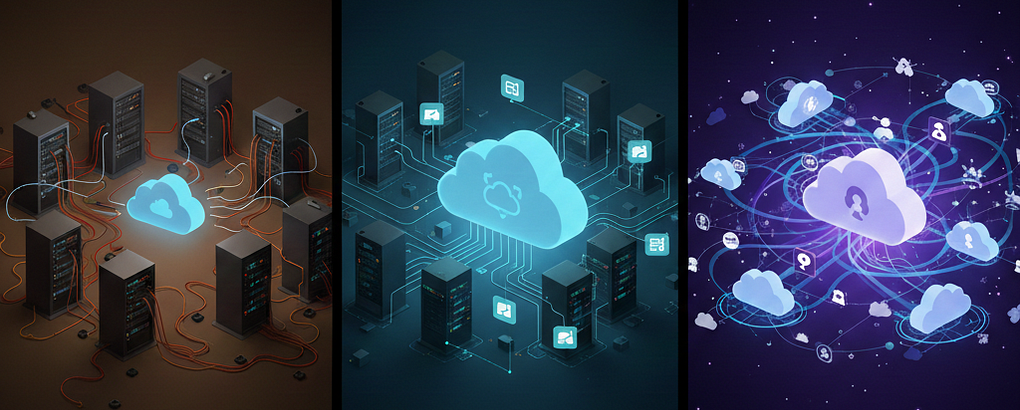
1. Adopting (Low Maturity): Chaos to Predictability
This is the “heroic firefighting” stage, where survival often depends on one or two people who haven’t had a holiday since 2022.
- Culture: Power-oriented or rule-based, often plagued by a high fear of failure and command-and-control leadership.
- Performance: You’re looking at change lead times of 1 to 6 months and a rework rate that often exceeds 30% — basically, a lot of effort for quite a bit of faff.
- Technical Pillar: Focus is on basic Infrastructure as Code (IaC) initiation and establishing a baseline CI/CD pipeline.
- Security: Foundational hygiene — removing default passwords and implementing a 14-day patching window for critical security updates.
2. Standardising (Medium Maturity): The Leap to Automation
Here, the shift moves from reactive firefighting to a “Platform-as-a-Product” mindset.
- Culture: Growing trust and shared goals, with transformational leadership focused squarely on the developer experience.
- Performance: Deployment frequency hits once per day or week, and the rework rate drops to a more manageable 15–30%.
- Technical Pillar: Internal Developer Platforms (IDPs) and “Golden Paths” emerge, reducing routine toil through self-service interfaces.
- Security: Shifting down with dynamic, just-in-time secrets and continuous compliance monitoring for environments like the CDE.
3. Scaling (High Maturity): The Harmonious High-Achiever
At this stage, the platform is fully optimised, strategic, and frankly, a bit of a talent magnet.
- Culture: A high-trust, generative culture focused on learning, strategic mentorship, and “Agentic Infrastructure” governance.
- Performance: Elite levels — on-demand deployments, recovery times under an hour, and a rework rate of less than 5%.
- Technical Pillar: Estate-wide IaC/CaD extending to private data centres and the deployment of AI workspaces and agents to autonomously optimise the system.
- Security: Identity is the new perimeter; focus shifts to Non-Human Identity (NHI) governance, PII anonymisation, and mandatory Threat-Led Penetration Testing (TLPT).
Bridging the Resilience Gap: From ISO 27001 to DORA
Many organisations treat ISO 27001 certification as the finish line. In 2026, it is merely the starting point.
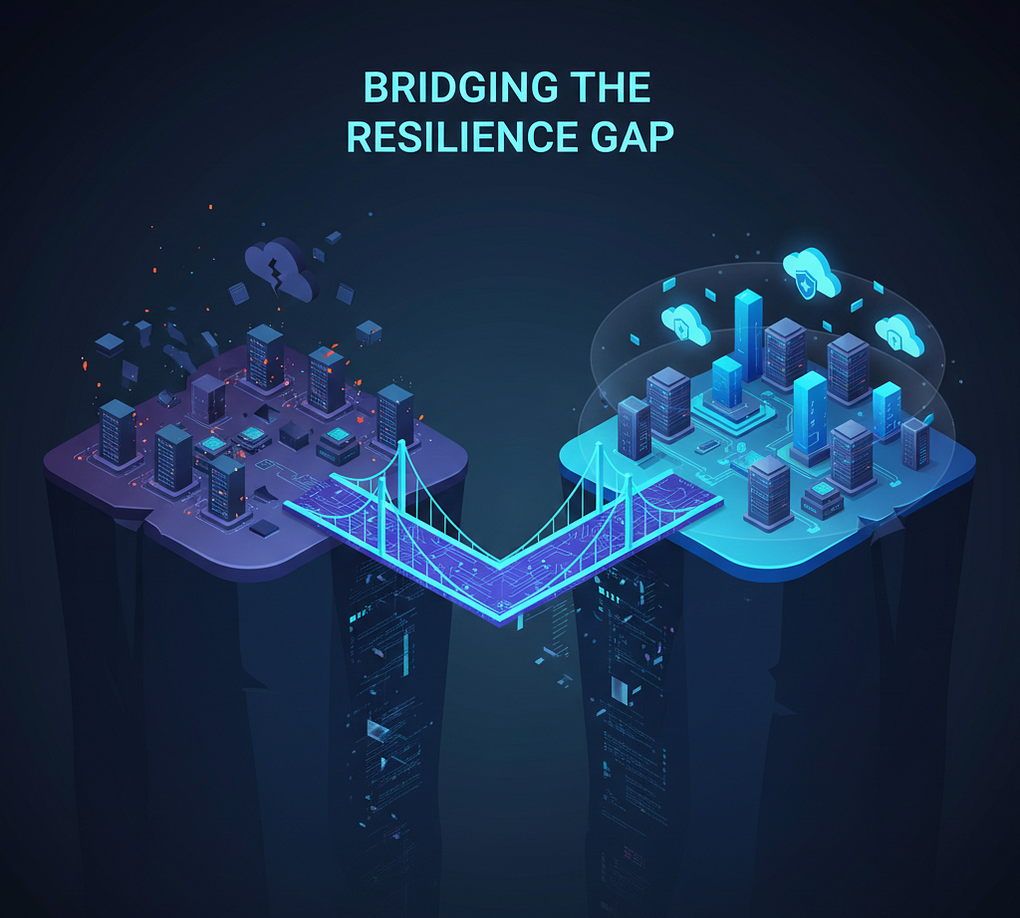
Regulations like the EU Digital Operational Resilience Act (DORA) — not to be confused with the explorer, introduce much stricter requirements:
- Threat-Led Penetration Testing (TLPT) every three years.
- Four-hour incident reporting requirements (which is a bit of a tight window by anyone’s standards).
- Mandatory operational resilience testing for critical services.
Maturity now means moving from once-a-year assessments to continuous compliance monitoring, built directly into your pipelines. Platform engineering makes this possible because governance becomes code, not a mountain of paperwork.
The Thinnest Viable Platform (TVP)
High-maturity organisations avoid multi-year, monolithic platform projects that are obsolete before they are finished. Instead, they build a TVP, a thin, essential layer that provides secure-by-default environments, observability, and identity enforcement.
A TVP is measured by one metric: Does it reduce cognitive load for developers?. If the answer is yes, you are on the right track. If it adds three more Slack channels and a new ticket queue, it is slightly sub-optimal.
Identity as the New Perimeter
The perimeter is gone; it’s been replaced by identity. Attackers are no longer “breaking in” — they are simply “logging in”. High-maturity organisations have shifted to non-human identity governance and just-in-time access. Identity is now the control plane of the entire cloud.
Conclusion: Getting Better at Getting Better
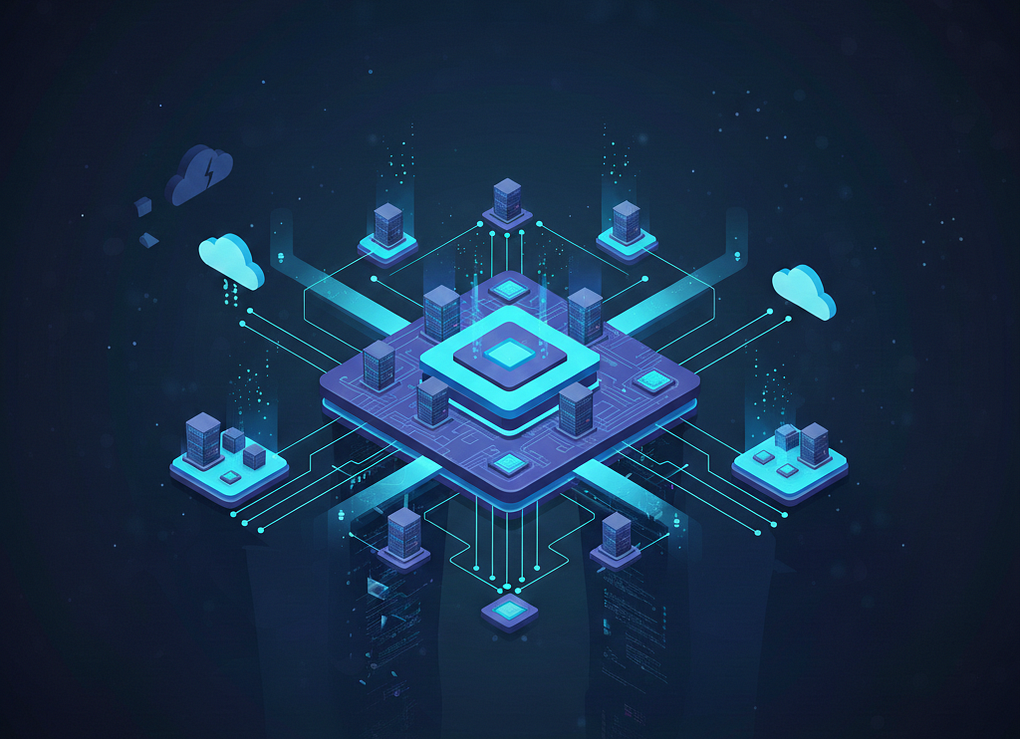
Cloud maturity is the art of building a sociotechnical culture of trust, knowledge-sharing, and autonomy. In 2026, the organisations that thrive will be those that combine platform engineering discipline with AI-augmented resilience into a unified operating model.
It’s about making the right thing the easy thing to do.
Transform your cloud strategy in 2026
Stop juggling band-aids and pipelines — get the FREE FULL GUIDE and discover the blueprint high-maturity teams use to align culture, tech, and security for real velocity and resilience.
